
Workplace Mental Health
Anxiety and Stress in the Workplace
Anxiety and stress in the workplace
How can we deal with anxiety at work?
In today’s demanding work world, it’s common to experience anxiety and stress on the job and these feelings can impact our performance, health, and overall well-being. Understanding and addressing these issues is essential for a more positive work experience but, it’s not always that easy and can be quite scary speaking to your employer as you won’t know how they will react.
The first step is to:
Recognise the Signs
We know that anxiety and stress can show up in various ways, affecting our bodies, emotions, and behaviours. Some of the common physical signs include headaches, muscle tightness, fatigue, and sleep problems. Emotionally, we can feel easily overwhelmed, irritable, restless, or have trouble concentrating. Behaviourally, we might procrastinate, withdraw from others, or rely more on caffeine or alcohol. It’s important to know that all of these symptoms are normal for anxiety and stress. They can be very worrying and overwhelming but you’re not on your own and they really are normal for stress and anxiety.


Next up:
Try to Understand the Causes:
Workplace anxiety and stress often come from factors like:
• Heavy workloads and tight deadlines
• Unclear expectations and lack of support
• Conflicts with colleagues or workplace bullying
• Poor work-life balance and blurred boundaries
• Fear of job loss or potential layoffs
• Unhealthy workplace culture and communication.
Once you feel like you have understood the causes, try to think about what will pass, stressors are something that will pass so whilst you need to manage your stress levels, it might be a little easier knowing when that deadline or heavy workload will pass.
If it’s something that is a long term stressor or likely not to be something that passes, my best tip is to try to think about the options that can solve it. I’ve found that my bosses have reacted well when I have come to them with a problem but also a couple of solutions to that problem. Just some ideas that can help. Don’t worry about this too much if you can’t think of anything, it is just an extra level that helps when you are able to talk about the struggles.
Now it’s time to:
Hold the conversation:
This is the daunting bit isn’t it. The bit that makes your skin crawl and makes you feel a little sick to your stomach. Take a deep breath, you will be ok and you can have the conversation in so many ways, whether you write it in an email, a message (Teams, Whatsapp etc), over the phone or face to face. The key thing is to share how you are feeling, it’s scary I know but you can do it.
Share what you want to share, you don’t have to say everything, you don’t have to say it all at once and if you feel like the conversation isn’t going well, ask for a time out and to come back to it when you are ready. This is you sharing your concerns and if you don’t feel safe at any point, know that you can stop. Just take your time, go at your own pace.
Management Strategies for Employees
Employees can take steps to manage their anxiety and stress:
• Practice time management and prioritization techniques
• Set boundaries between work and personal life
• Engage in regular exercise and healthy eating habits
• Incorporate relaxation techniques like meditation or deep breathing
• Seek professional help if anxiety or stress becomes overwhelming

Management Strategies for Employers
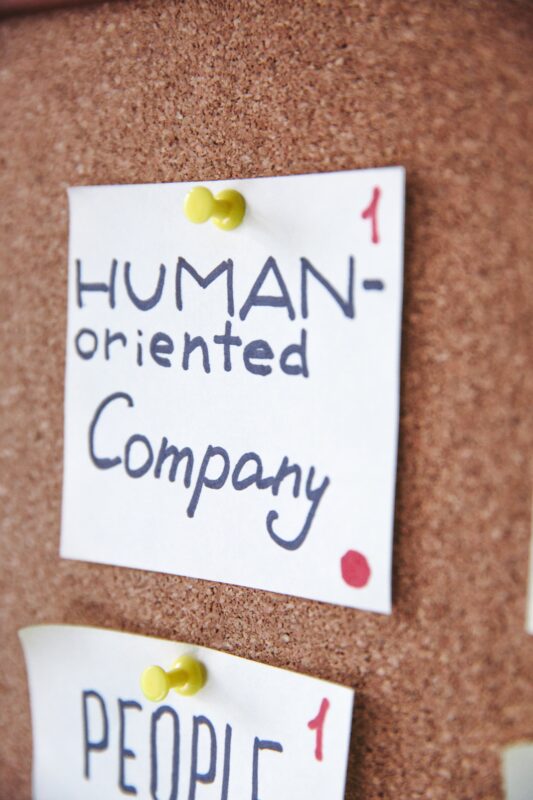
Employers play a crucial role in creating a mentally healthy workplace:
• Actively listen, without judgement, to employees
• Set clear expectations and provide adequate training
• Encourage open communication and address conflicts promptly
• Promote work-life balance and respect personal time
• Offer employee wellness programs and mental health resources
• Cultivate a supportive and inclusive workplace culture
Creating a Thriving Workplace
Please don’t underestimate the strength it takes for people to speak out. By addressing workplace anxiety and stress, organizations can create an environment where employees feel valued, supported, and empowered to do their best work. This not only benefits individual well-being but also contributes to increased productivity, reduced absenteeism, and overall organisational success.
Remember, creating a mentally healthy workplace is a shared responsibility. By working together, employers and employees can foster a calmer, happier, and more productive work environment.
Love, Lisa x
P.s if you’re really struggling, this video might help start the conversation. x

Great blog! So much actionable advice and I love your video at the end to help support those on the receiving end of the conversation. Especially the hug/ bickie brew suggestion. ❤️